One of the most common personal goals that people set for themselves—perhaps you've set it for yourself this year—is weight loss. As we age, hitting that target weight can become increasingly difficult. Metabolism slows down, joints get a little stiffer, and life just gets busier. But if you are wanting to shed extra pounds and create a healthier lifestyle for yourself but find that you are hitting a wall, it might not be a lack of willpower. You might need to check and see if you are suffering from any of the symptoms of a vein condition.
Key Takeaways
- The Weight Loss Connection: Vein conditions can create a significant barrier to losing weight due to pain, heaviness, and fatigue that limit physical activity.
- It's Not Just Laziness: Many patients blame themselves for being inactive, not realizing that chronic venous insufficiency is causing inflammation and exhaustion.
- Invisible Symptoms: You don't need large, ropy varicose veins to have a problem; fatigue and "heavy legs" are often the primary symptoms.
- The "Evening Crash": If your energy plummets in the late afternoon and you feel the need to elevate your legs, this is a hallmark sign of a vein issue.
- Treatment Restores Activity: Minimally invasive vein treatments can alleviate fatigue and pain, empowering patients to return to exercise and healthier lifestyles.
It sounds surprising to many, but vein circulation issues can make weight loss significantly more difficult than it should be. Why? Because movement is the engine of weight loss, and vein disease puts the brakes on movement.
The keys to weight loss are generally straightforward: monitoring your diet and participating in daily activities that burn calories. Sounds simple on paper, right? But when someone is suffering from a vein condition, that simple formula feels next to impossible to execute.
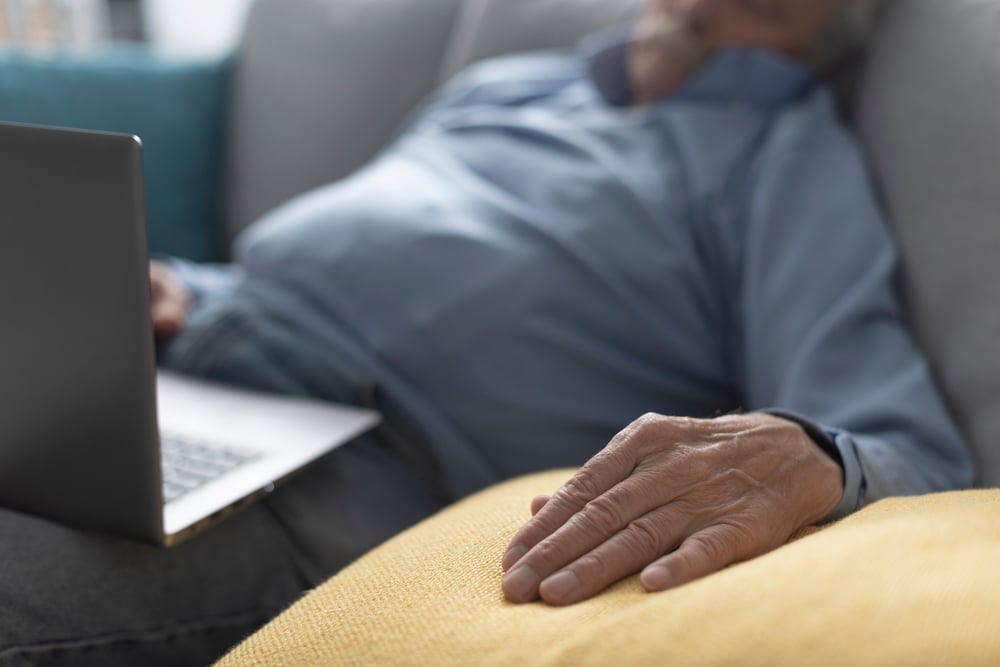
A vein condition frequently results in extreme fatigue, especially in the late afternoon and evening, as well as leg swelling and achiness. A person with a vein condition reaches the end of their workday and feels utterly exhausted. They don't just want to sit down; their body demands that they sit down. They frequently elevate their legs to find relief from the throbbing pressure.
The problem is that once they stop to rest at the end of the day, people with a vein condition have a incredibly difficult time getting up and going again. They don't burn as many calories because their "active hours" are cut short by pain. They may want to get up and take a walk or go to the gym, but feel that it's physically too difficult. If they are able to get up, it's often because they are forcing themselves through discomfort, which isn't sustainable long-term.
This ongoing lack of activity results in a slow, steady weight gain that can be demoralizing. You feel stuck in a body that won't cooperate.
Why Does It Feel Impossible to Shed the Pounds?
Have you ever wondered why your neighbor seems to have endless energy for evening strolls while you are counting the minutes until you can put your feet up?
Many people mistakenly believe that since they don't have visible signs of a vein condition—like spider veins or large, ropy leg veins—they don't have a vein condition. This is a dangerous misconception. In fact, the number one symptom of people with a vein condition is fatigue.
Fatigue, partnered with tired, achy, and swollen legs, makes any kind of physical activity all the more difficult. The lack of activity inevitably leads to weight gain, which in turn puts more pressure on your veins, worsening the condition. It becomes a vicious cycle.
From the perspective of a vein care specialist, fatigue that is worse in the evening and at night is almost always due to a vein condition. But why does this happen?
A vein condition is essentially slow or stagnant circulation. Healthy veins fight gravity to push blood back up to your heart. When the tiny valves in your veins fail, blood flows backward and pools in the lower legs. This stagnant blood is toxic to the tissue; it lacks oxygen and is full of waste products.
Fatigue is the body's inflammation response to this stagnant blood. Your body is working overtime, fighting a low-grade internal battle against this inflammation. That is why you feel wiped out. The good news is, this fatigue gets significantly better with treatment.
The Cycle of the "Evening Crash"
Let's look at a typical scenario I see in my office. A patient, let's call her Sarah, wakes up feeling okay. But as the day goes on, her legs start to feel heavy, like she is wearing lead boots. By 4:00 PM, her ankles are swollen.
People with these symptoms hurry home, sit down in a recliner, elevate their legs... and at that point, they will tell you they're "done." They are physically unable to get up to participate in any evening activities. Cooking a healthy meal feels like a marathon. Playing with grandkids is out of the question. Exercise? Forget it.
This inability to move is what causes gradual weight gain. In my experience, patients will on average gain about 10-15 pounds a year when they get to this stage of a vein condition. It creeps up slowly. You might not notice it month to month, but over three years, you could be carrying an extra 45 pounds, all because your veins are keeping you sedentary.
It's Not Your Fault—And There is Help
If you are reading this and nodding your head, feeling a mix of frustration and recognition, I want you to know something important: this is not a character flaw. You aren't "lazy." You are dealing with a medical condition that depletes your energy reserves.
The good news is, vein conditions are very easily treated. Modern medicine has moved far beyond the painful "vein stripping" surgeries of the past. Today, we have minimally invasive treatments that are done right in the office.
Many patients tell me they feel relief usually within the first week after treatment. It’s often dramatic. In fact, many of my patients describe feeling surprised at having more energy after treatments. They tell me, "I didn't realize how bad I felt until I felt good again."
Many are able to start a walking or exercise program to help with their health and weight goals within weeks of their procedure. When your legs feel light and pain-free, walking becomes enjoyable again, not a chore. Patients are really excited when they see they actually are able to lose weight after treatment because the physical barrier to exercise has been removed.
What Should I Look For? (Beyond the Bulging Veins)
Since we know you can't always see the problem, how do you know if you should see a specialist? Pay attention to how your legs feel, not just how they look.
Here are some signs that your weight struggles might be tied to your veins:
- Heaviness: Your legs feel heavier as the day goes on.
- Restless Legs: You can't keep your legs still at night, or they twitch and jerk.
- Swelling: You have sock lines around your ankles in the evening that weren't there in the morning.
- Aching: A dull, throbbing ache in the calves or behind the knees.
- Itching: The skin around your ankles feels dry and itchy, but moisturizer doesn't help.
If you have these symptoms and are struggling with your weight, don't just start another crash diet. Talk to a primary care provider or a vein specialist. Addressing the root cause (your circulation) might be the key to finally unlocking the active, healthy lifestyle you've been working toward.
Frequently Asked Questions about the Connection Between a Vein Condition and Weight Loss
- Can fixing my veins really help me lose weight?
While vein treatment itself isn't a weight-loss procedure (like liposuction), it removes the barriers to weight loss. By eliminating leg pain, heaviness, and chronic fatigue, treatment allows you to become active again. Many patients find they naturally lose weight once they have the energy to resume walking and exercising. - I don't have varicose veins. Could I still have a vein problem causing my fatigue?
Yes, absolutely. This is a very common misunderstanding. "Hidden" varicose veins can exist deep beneath the surface. You may not see them, but you will feel the symptoms: heavy legs, swelling, and deep fatigue, especially at the end of the day. A specialized standing ultrasound is used to diagnose these invisible issues. - Is the treatment for vein conditions difficult or painful?
Not at all. Modern vein treatments are minimally invasive. They are performed in the office with local anesthesia. There is usually very little downtime, and most patients can drive themselves home. It is a stark contrast to the surgeries of decades past. - How soon after treatment can I start exercising to lose weight?
We encourage walking immediately after treatment! In fact, walking helps the healing process. For more intense workouts like weightlifting or high-impact aerobics, you may need to wait a week or two, but your doctor will give you a specific timeline based on your procedure. - Will my insurance cover vein treatment if it's for "weight loss"?
Insurance typically covers vein treatment if it is medically necessary—meaning you have symptoms like pain, swelling, or skin changes that affect your daily life. They do not cover it for cosmetic reasons or solely for weight loss. However, if your vein condition is causing the symptoms that prevent you from losing weight, the treatment for the vein condition itself is often covered. We help you navigate this process.