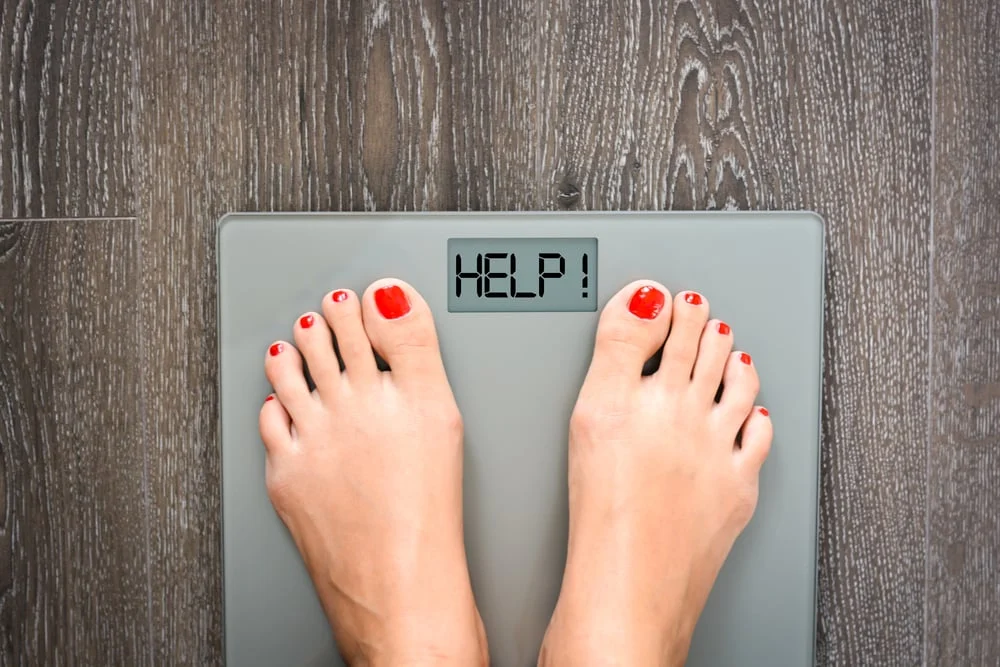
If you struggle with maintaining a healthy body weight, you have probably heard the same advice over and over again: “Eat less and move more.” It sounds like a simple equation, right? Unfortunately, it’s just not that simple when your body seems to be fighting against you.
For many, an underlying vein condition is one of the hidden health issues that silently causes weight gain. Vein problems cause leg pain, and leg pain leads to fatigue. Fatigue makes it difficult to move at all, much less commit to a rigorous exercise routine.
So, the bottom line question is: could your weight loss challenges actually be due to another easily treatable condition? The answer is a resounding YES!
What Might be Causing Unexpected Weight Gain
- The Weight Loss Barrier: Vein conditions can create invisible hurdles to weight loss, such as chronic pain and fatigue, making exercise difficult or impossible.
- Inflammation is Key: Stagnant blood flow causes inflammation in the body, which leads to exhaustion and a lack of motivation commonly mistaken for “laziness.”
- Hidden Symptoms: You don’t need visible varicose veins to suffer from venous insufficiency; fatigue, restless sleep, and heaviness are common invisible signs.
- The Cycle of Inactivity: Pain and swelling often force patients to remain sedentary in the evenings, burning fewer calories and leading to gradual weight gain.
- Treatment Breaks the Cycle: Addressing the underlying vein condition reduces inflammation and restores energy, often empowering patients to finally achieve their weight loss goals.
How Poor Circulation Keeps the Weight On
There are many ways that a venous circulation problem acts as an anchor, dragging down your weight loss efforts. To understand this, think about how you feel when you have a common cold. You feel run-down, exhausted, and heavy. These symptoms are primarily due to the inflammatory reaction in your body fighting the virus.
A vein condition creates a similar environment. When the valves in your veins fail, blood pools in your legs instead of circulating back to your heart. This stagnant blood is “toxic” to the local tissues, triggering an inflammatory response.
When you feel run down and have to sit around in the evening just to recover from your day, it is easy to gain weight. You might be burning 200 to 300 fewer calories per day simply because you aren’t moving around your house, gardening, or walking the dog. It doesn’t seem like much day-to-day, but over time, it adds up. With patients who have a vein condition, it’s not uncommon for them to experience an unexplained weight gain of 10-15 pounds per year.
Typically, you might think of spider veins and bluish, bulging varicose veins as the only indicators of a vein condition. While that is true, it’s entirely possible to have a vein condition and not have any visible symptoms at all. There are more common—and often invisible—symptoms of a vein condition that significantly affect a person’s ability to lose weight.

Why Am I So Tired All the Time?
Have you ever woken up after a full night’s sleep, only to feel like you haven’t slept at all?
People with a vein condition are often robbed of a good night’s sleep due to leg symptoms or general restlessness at night (often diagnosed as Restless Leg Syndrome). Because of this lack of quality restorative sleep, they regularly wake up feeling low energy and washed out.
Sometimes, even if they feel like they slept well, they still wake up feeling tired. The bottom line is that vein sufferers have stagnant circulation, which allows inflammation to build up all day in their body. It takes an entire night of rest for your body to try and clear it out, so mornings usually have the mildest symptoms. However, as soon as you stand up and gravity takes hold, the cycle begins again.
Inflammation from any source, including a vein condition, acts like a battery drain. It robs you of energy, willpower, and the desire for activity. When you are exhausted, your body craves quick energy, often leading to poor dietary choices, which further contributes to weight gain.

When Leg Pain and Swelling Stop You in Your Tracks
Physical discomfort is the most direct barrier to weight loss for my patients. A vein condition usually causes leg aching, heaviness, swelling, and “tired legs.” These symptoms make it incredibly difficult to start or complete any physical activity.
For some, the thought of exercise seems completely overwhelming. Imagine trying to go for a run when your legs feel like they are strapped to lead weights. It’s not about laziness; it’s about physical capability.
A vein condition causes leg achiness and swelling that typically worsen as the day progresses. When these symptoms hit—usually in the late afternoon or evenings—the only thing you want to do is find the nearest recliner and elevate your legs. This is your body’s way of trying to use gravity to help your struggling veins. You may feel better the next morning, only to have the vicious cycle repeat itself each evening.
Repeated sedentary time in the evenings is crucial. This is the time when many people burn extra calories through hobbies, housework, or exercise. However, when you lose those hours to pain, your metabolism takes a hit. When you burn fewer calories than you consume, your body stores it as fat. The result is unintended weight gain.
The Mental Battle: “I Just Don’t Have the Willpower”
In my practice, I see patients who have struggled with the inability to lose weight for so long that it has deeply affected their mindset and self-esteem.
You may know you need to burn calories to maintain or lose weight, but you just don’t have the energy to do it, and your legs ache and hurt. You may beat yourself up, thinking, “I just don’t have the willpower to lose weight. I’ll never reach my goals!” You might feel like you are failing, while friends your age seem to be active and energetic.
To make things worse, reduced activity leads to a downward spiral both physically and mentally. The more weight you gain, the more pressure is put on your leg veins. This increased pressure causes more valve failure, more swelling, and more pain, which leads to even less activity. It is a snowball effect that can feel impossible to stop on your own.
Breaking the Cycle: There Is Hope
Here is the good news: you don’t have to live this way. Wouldn’t it be great to find out that inflammation from stagnant vein circulation may be the root of the problem?
Vein treatments today are nothing like they used to be. We use minimally invasive techniques that are performed right here in the office. There is no general anesthesia, no hospital stay, and very little downtime.
Once the inflammation is cleared out after the abnormal veins are treated, the change in my patients is often remarkable. Activity, stamina, and overall energy levels go up, usually within a few weeks. Patients tell me they find themselves wanting to go for walks again. They have the energy to play with their grandkids or cook healthy meals instead of ordering takeout because they are too tired to stand in the kitchen.
By treating the veins, we remove the physical barrier to exercise. We give you back your “go.”
Break the cycle before it gets worse! At our clinic, we understand that this is more than just a cosmetic issue; it is a quality-of-life issue. We’re here to help you transition to a healthier lifestyle. It is easy to schedule a vein screening to get started and see if your veins are the hidden culprit behind your weight struggles.

Frequently Asked Questions About a Vein Condition as the Hidden Cause of Weight Gain
Q: Can treating my veins help me lose weight?
A: While vein treatment is not a weight loss procedure itself, it often acts as a catalyst for weight loss. By relieving leg pain, heaviness, and chronic fatigue, treatment restores your ability to be active. Many patients find they naturally lose weight after treatment because they finally have the energy to exercise and move without pain.
Q: How do I know if my weight gain is caused by a vein problem?
A: If your weight gain has been gradual (10-15 lbs a year) and is accompanied by symptoms like evening fatigue, heavy legs, ankle swelling, or restless legs, there is a strong chance your veins are involved. If you find yourself needing to elevate your legs at the end of every day, you should consult a specialist.
Q: I don’t have bulging varicose veins. Can I still have a problem?
A: Yes, absolutely. This is a very common misconception. You can have severe venous insufficiency deep inside the leg without seeing any large, ropy veins on the surface. Symptoms like heaviness, aching, and fatigue are often the only signs. An ultrasound is the best way to diagnose these “invisible” vein problems.
Q: Will insurance cover vein treatment if I want to lose weight?
A: Insurance generally covers vein treatment if it is deemed “medically necessary,” meaning the condition is causing symptoms like pain, swelling, or skin changes that impact your daily life. They do not cover it solely for weight loss. However, since the symptoms that prevent weight loss (pain, fatigue) are medical symptoms, coverage is very common. We can help you check your specific benefits.
Q: How long is the recovery after vein treatment?
A: Modern vein treatments are minimally invasive with quick recovery times. Most patients walk out of the office and resume normal daily activities immediately. We actually encourage walking right away! You may need to avoid heavy lifting or strenuous gym workouts for a week or so, but you won’t be bedridden.