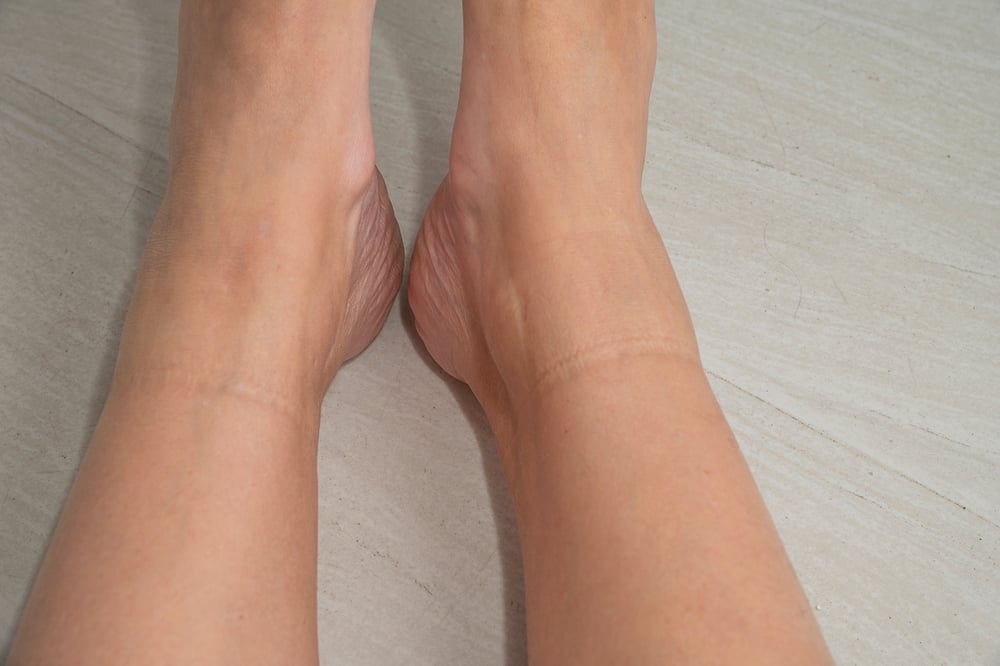
Have you ever glanced down at your ankles only to find stubborn sock lines that refuse to fade away? You're not alone; sock lines can be a common occurrence. However, if this becomes a daily ritual, it might be a signal of a more serious medical condition. Let me guide you through an understanding of sock lines, what they are, their common causes, and how to know when they might be linked to a vein condition.
Key Takeaways
- Sock Lines Can Be Normal: Temporary sock lines from prolonged sitting, standing, or summer heat are usually not a cause for concern.
- Persistent Lines Are a Red Flag: If you notice sock lines daily, it could be a sign of an underlying issue with your circulation.
- Observe the Pattern: Swelling from a vein condition typically worsens during the day and improves overnight. Swelling in just one leg is another strong indicator.
- It's Not Always Your Veins: Other medical conditions, like heart or kidney issues, can also cause swelling in both legs, so a visit to your primary care provider is important.
- Simple Steps Can Help: Compression stockings and regular movement are effective first steps for managing swelling related to vein issues.
Sock lines around the ankles, as I often observe in my practice, are frequently attributed to vein conditions. Vein reflux, a condition where blood pools in the lower legs, exerts additional pressure on circulation, leading to inflammation and vessel leakage. The resulting combination of heightened pressure and inflammation causes fluid to seep into the legs, causing discomfort and swelling.
When are Sock Lines Normal?
Sock lines can be normal when:
- Traveling and sitting in a car or plane for extended periods.
- Standing or sitting in one place for extended periods with limited walking
- During the heat of the summer, both legs swell because of the increased blood flow to the legs to cool off the body, causing fluid to build up.
Distinguishing Sock Lines: Is it a Vein Condition or Something Else?
To know whether sock lines on your ankles are due to an abnormal vein condition or medical condition, or if they are simply a normal reaction in your body, pay attention to the pattern of occurrence. A classic characteristic to watch for is whether the swelling disappears entirely overnight. What I see typically with my vein patients are sock lines due to pressure in the ankles that slowly develops during the day as you are sitting or standing. It is worse at night. Then when you go to bed, provided you sleep flat in a bed or have your legs slightly elevated, blood flows back out of the lower legs. Typically, sock line swelling due to a vein condition goes away or reduces overnight. By evening the next day, however, the pattern repeats itself.
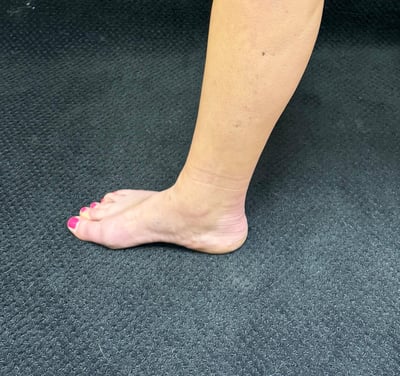
Another telltale sign of a vein condition is when sock line swelling is isolated to one leg. This could point toward a problem in that leg's vein. It's important to note that other factors such as leg trauma, previous surgery, or knee arthritis can also trigger swelling. Identifying the cause is crucial, and if a vein condition is suspected, a screening or ultrasound of the vein circulation can confirm if circulation is functioning correctly.
People ask me if their sock lines could be due to lymphedema. And the answer is usually 'no' because lymphedema doesn't typically have excess fluid close to the skin. It's deeper down.
Other medical conditions that can cause sock line swelling in both legs include heart failure, kidney failure, and medication side effects including calcium-channel blockers. Both legs are always involved in this scenario and it has been present for weeks to months. If you think this is going on, you should schedule a visit with your primary care physician.

How to Know if Sock Lines Are Due to My Veins
While sock lines around the ankles occur in everyone at some point, their persistence could be a red flag. They might be signaling an underlying vein condition that can be effectively treated. If you find yourself dealing with persistent sock lines around your ankles, I recommend a specialized vein reflux ultrasound, which is always done in a standing position, to determine if a vein condition is present.
Sock Line Treatment Options and Relief
Various treatments are available to alleviate symptoms and improve circulation. The first thing to try is compression stockings, a simple and effective solution. After this, make sure you are walking throughout the day and using your calf muscle pump. If you're having sock line swelling in the summer, then I recommend taking a trip to Alaska until it cools off. (There isn't a way to treat swelling that happens in the heat, other than to cool off.)

Frequently Asked Questions (FAQs)
1. Are sock lines always a sign of a health problem?
Not always. It's normal to have temporary sock lines after long periods of sitting or standing, or during hot weather. The concern arises when these lines appear every day and are accompanied by persistent swelling that worsens as the day goes on.
2. Why does swelling from a vein condition go away overnight?
When you lie down to sleep, gravity is no longer working against your circulation. This allows the pooled blood and fluid in your legs to flow more easily back toward your heart, reducing the swelling by morning.
3. If both of my legs are swollen, is it still a vein issue?
It could be, but when both legs are consistently swollen, it's very important to see your primary care provider. This can be a sign of other medical conditions, such as heart or kidney problems, that need to be ruled out first.
4. What is a vein reflux ultrasound?
It's a painless, non-invasive test that uses sound waves to create a map of your leg veins. It's performed while you're standing so the specialist can see how your blood flows against gravity and identify any "leaky" valves or areas of poor circulation.
5. Can I get rid of sock lines just by walking more?
Walking is fantastic for your circulation because it activates your calf muscles, which help pump blood out of your legs. While it can certainly help reduce swelling and improve symptoms, it may not be enough to fix the underlying vein condition causing the problem.